
Dijital yayıncılar genellikle okuyucuların kolayca görebileceğinden daha fazla değer yaratırlar. Bir sitede faydalı makaleler, indirilebilir kılavuzlar, arşivlenmiş sürümler, dijital kitaplar, kontrol listeleri, web seminerleri, bültenler ve şablonlar bulunabilir, ancak bu varlıklar tarihlere, kategorilere, kampanyalara ve CMS klasörlerine dağılmış durumdadır. Okuyucular deneyimi kendileri oluşturmak istemezler. Belirli bir sorunu çözen net bir paket isterler.
Dijital ürün sürümleri Bu, ambalajlama sorununu çözüyor. İlgili yayın varlıklarını odaklanmış, okuyucu dostu koleksiyonlara dönüştürüyorlar: bir lansman kiti, bir alıcı kılavuzu, bir eğitim sürümü, bir araştırma özeti, mevsimlik bir dergi veya bir üye kaynak paketi. Bu format, her bir parçayı ayrı bir kampanya olarak ele almadan, editoryal içeriği, etkileşimli dijital kitapçıkları, indirilebilir şablonları, videoları, bülten takiplerini ve dönüşüm yollarını bir araya getirebilir.
Bir ürünün farklı olmasını sağlayan nedir?
Normal bir makale tek bir soruyu yanıtlar. Ürün odaklı bir yayın ise okuyucuya yönelik eksiksiz bir sonuç sunar. Bir vaadi, bir sıralaması, destekleyici materyalleri, bir açılış sayfası, bir dağıtım planı ve bir ölçüm döngüsü vardır. Bu da onu yayın ekipleri, pazarlama ekipleri, eğitim yayıncıları, B2B yayıncıları, dernekler ve hedef kitle stratejilerinin bir parçası olarak yayın yapan markalar için kullanışlı hale getirir.
Örneğin, dijital yayıncılık ekibi, içerik yeniden kullanımına dair dağınık gönderilerden oluşan bir kümeyi "Çok Kanallı Yayıncılık Araç Seti" adlı paketlenmiş bir sürüme dönüştürebilir. Bu sürüm, uzun bir kılavuz, bir özet kitapçığı, bir kontrol listesi, bir şablon, bir web semineri kaydı ve bir bülten mini serisi içerebilir. Her bir öğe, dikkat çekmek için rekabet etmek yerine aynı okuyucu hedefini destekler.
Okuyucu işiyle başlayın.
En başarılı yayınlar, varlıkların envanteriyle değil, okuyucunun göreviyle başlar. Okuyucunun neyi bitirmeye, neye karar vermeye, neyi öğrenmeye, neyi karşılaştırmaya veya neyi geliştirmeye çalıştığını sorun. Ardından paketi bu sonuca göre oluşturun.
- Karar destek sistemi: Karşılaştırma kılavuzları, alıcı kontrol listeleri, kanıt noktaları ve uygulama örnekleri.
- Beceri geliştirme: Öğretici materyaller, çalışma sayfaları, şablonlar, kısa videolar ve takip dersleri.
- Stratejik bilgilendirme: Trend analizi, veri özetleri, uzman yorumları ve yönetici özetleri.
- Etkinlik uzantısı: Oturum özetleri, konuşmacı materyalleri, sponsor kaynakları ve etkinlik sonrası eylem planları.
- Üyelik değeri: Premium arşivler, özenle seçilmiş okuma yolları, indirilebilir araçlar ve sadece üyelere özel sürümler.
Mimari baskıyı seçin
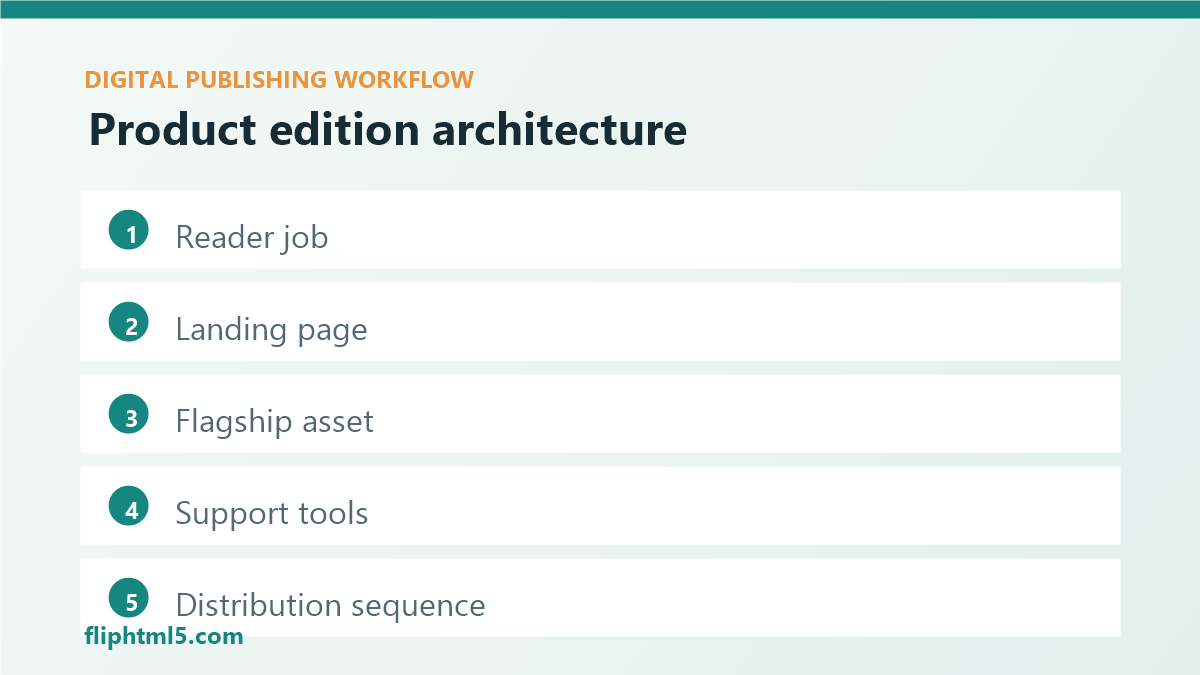
Bir ürün sürümünün, eksiksiz ancak bunaltıcı olmayan bir yapıya ihtiyacı vardır. Çoğu yayıncı beş temel yapı taşıyla başlayabilir.
1. Net bir karşılama sayfası
Giriş sayfası, vaadi, hedef kitleyi, içeriği ve sonraki adımı açıklar. Kısa bir özet, içindekiler tablosu, önizleme görseli, yazar veya editör açıklaması ve paketteki her bir kaynağa bağlantılar içermelidir.
2. Amiral gemisi niteliğinde bir varlık
İçeriğin en önemli unsuru, o sayının temelini oluşturur. Bu, ayrıntılı bir makale, dijital kitapçık, rapor, e-kitap, etkileşimli kılavuz veya kayıtlı bir sunum olabilir. Paketin geri kalanı ise bu önemli unsurun anlaşılmasını, uygulanmasını veya paylaşılmasını kolaylaştırmalıdır.
3. Pratik destek araçları
Şablonlar, kontrol listeleri, örnek metin dosyaları, hesap makineleri ve çalışma sayfaları, editör tavsiyelerini eyleme dönüştürür. Bu araçlar ayrıca, potansiyel müşteri bulma, abonelik veya üye tutma açısından da yayını daha değerli hale getirir.
4. Bir dağıtım dizisi
Bir yayının tek bir lansman duyurusuna bağlı olmaması gerekir. Bülten, arama motoru optimizasyonu, sosyal medya, iş ortağı kanalları, iç bağlantılar ve takip yazıları arasında bir sıralama planlayın. Aynı paket, birden fazla kullanışlı giriş noktası oluşturabilir.
5. Bir bakım kuralı
Her sürümün bir sahibi ve bir güncelleme tetikleyicisi olmalıdır. Bağlantılar değiştiğinde, veriler geçerliliğini yitirdiğinde, ürün ekran görüntüleri güncelliğini kaybettiğinde, arama talebi değiştiğinde veya yeni bir ilgili varlık eklenmeyi hak ettiğinde yenileyin.
Flipbook'ları baskı kabı olarak kullanın.
Flipbook'lar, bir yayının dergi benzeri bir okuma deneyimi, satış devri, eğitim paketi veya paylaşılabilir yönetici özeti gerektirmesi durumunda iyi sonuç verir. En güçlü anlatıyı şık bir formatta sunarken, açılış sayfası SEO, erişilebilirlik bağlamı, iç bağlantılar ve dönüşüm yollarını yönetir.
Pratik bir yöntem, hem arama motorları tarafından kolayca bulunabilen bir açılış sayfası hem de sürükleyici okuma için bir dijital kitapçık yayınlamaktır. Açılış sayfası, baskıyı özetler, ilgili web içeriğine bağlantı verir ve arama motorlarına temiz meta veriler sağlar. Dijital kitapçık ise okuyuculara göz atabilecekleri, paylaşabilecekleri veya sunabilecekleri bütüncül bir paket sunar.
Bu sürümün tekrar kullanımını kolaylaştırın.
Ürün sürümleri, yeniden kullanılabilir içerik bloklarından oluşturulduğunda en verimli hale gelir. Girişleri, tanımları, diyagramları, kontrol listelerini, alt yazıları, yazar biyografilerini ve harekete geçirici mesajları yapılandırılmış bir şekilde saklayın; böylece makaleler, dijital kitapçıklar, bültenler ve satış materyalleri arasında kopyala-yapıştır karmaşası olmadan geçiş yapabilirler.
Bu, başlangıçta karmaşık bir sistem gerektirmez. Basit bir içerik envanteri, sürüm adını, varlık URL'sini, sahibini, formatını, hedef okuyucusunu, durumunu, son güncelleme tarihini ve yeniden kullanım notlarını takip edebilir. Zamanla, bu envanter yayıncılık operasyonu için bir ürün haritası haline gelir.
Performans ölçümünü bir paket olarak değerlendirin.
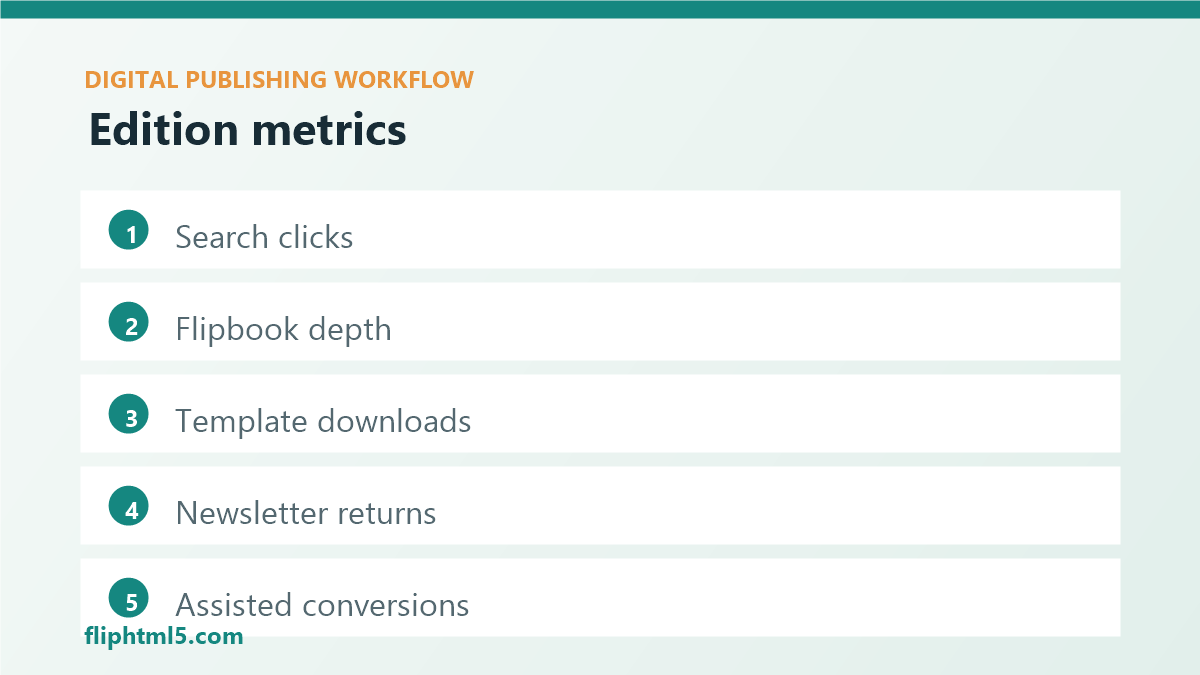
Her bir varlık ayrı ayrı ölçülürse, sürüm olduğundan daha zayıf görünecektir. Sayfa düzeyindeki ölçümlerin yanı sıra paket düzeyindeki performansı da takip edin.
- Açılış sayfası arama gösterimleri, tıklamalar ve dönüşüm oranı.
- Flipbook'un açılması, sayfa derinliği, tamamlanma ve paylaşım özellikleri.
- Şablon indirmeleri, form gönderimleri veya üye kayıtları.
- Bülten aboneleri, yayınlandıktan sonraki sayıya tıklama ve tekrar ziyaret etme oranlarında artış yaşıyor.
- Sürüm sürecinin tamamında destekli dönüştürme işlemleri.
Sıkça yapılan hatalardan kaçınmak
- Sonuçtan ziyade formata göre paketleme: “Beş PDF dosyası” okuyucuya verilen bir söz değildir.
- İçeriği gizleme: Okuyuculardan kayıt olmalarını veya abone olmalarını istemeden önce nelerin dahil olduğunu gösterin.
- SEO bağlamını atlıyoruz: Güzel bir dijital kitapçığın yine de arama motorlarında görüntülenebilir bir açılış sayfasına ihtiyacı vardır.
- Özgün tasarımlar yaratmak: Üretimin ölçeklenebilir olması için tekrarlanabilir düzenleme şablonları kullanın.
- Bakımı unutmak: Ekran görüntüleri, bağlantılar veya veriler güncelliğini yitirdiğinde yayıncılar güvenlerini kaybeder.
Özetle
Dijital ürün sürümleri, yayıncıların dağınık içeriği görünür değere dönüştürmesine yardımcı olur. Bir okuyucu göreviyle başlayın, en güçlü varlıkları onun etrafında paketleyin, bir açılış sayfası ve amiral gemisi deneyimi kullanın ve yolculuğu bir bütün olarak ölçün. Sonuç, pazarlaması daha kolay, yeniden kullanımı daha kolay ve okuyucular için başka bir bağımsız gönderiden daha kullanışlı bir yayın ürünüdür.