
內容發布方式已經改變了。在2026年,發布不再只是指部落格文章上線的那一刻。它指的是將一個好的想法轉化為實用、可搜尋、可分享的內容體驗,並將其傳播到您的網站、新聞簡報、社交媒體、銷售對話和數位出版物等各個管道。
%22%2F%3E%3Crect%20x%3D%2245%22%20y%3D%2245%22%20width%3D%221110%22%20height%3D%22585%22%20fill%3D%22none%22%20stroke%3D%22rgba(255%2C255%2C255%2C.35)%22%20stroke-width%3D%222%22%2F%3E%3Ctext%20x%3D%2270%22%20y%3D%22145%22%20fill%3D%22white%22%20font-family%3D%22Arial%2C%20sans-serif%22%20font-size%3D%2252%22%20font-weight%3D%22700%22%3EContent%20Publishing%20in%202026%3C%2Ftext%3E%3Ctext%20x%3D%2274%22%20y%3D%22215%22%20fill%3D%22rgba(255%2C255%2C255%2C.9)%22%20font-family%3D%22Arial%2C%20sans-serif%22%20font-size%3D%2226%22%3EFrom%20one%20article%20to%20a%20searchable%2C%20shareable%20digital%20experience%3C%2Ftext%3E%3Cg%20font-family%3D%22Arial%2C%20sans-serif%22%20font-size%3D%2224%22%20fill%3D%22white%22%3E%3Ccircle%20cx%3D%22106%22%20cy%3D%22342%22%20r%3D%2225%22%20fill%3D%22%23FFC94A%22%2F%3E%3Ctext%20x%3D%2299%22%20y%3D%22351%22%20fill%3D%22%23111%22%20font-weight%3D%22700%22%3E1%3C%2Ftext%3E%3Ctext%20x%3D%22152%22%20y%3D%22351%22%3EPlan%20for%20AI%20search%20and%20human%20scanning%3C%2Ftext%3E%3Ccircle%20cx%3D%22106%22%20cy%3D%22425%22%20r%3D%2225%22%20fill%3D%22%23FFC94A%22%2F%3E%3Ctext%20x%3D%2299%22%20y%3D%22434%22%20fill%3D%22%23111%22%20font-weight%3D%22700%22%3E2%3C%2Ftext%3E%3Ctext%20x%3D%22152%22%20y%3D%22434%22%3EPackage%20content%20as%20web%2C%20flipbook%2C%20email%2C%20and%20social%20assets%3C%2Ftext%3E%3Ccircle%20cx%3D%22106%22%20cy%3D%22508%22%20r%3D%2225%22%20fill%3D%22%23FFC94A%22%2F%3E%3Ctext%20x%3D%2299%22%20y%3D%22517%22%20fill%3D%22%23111%22%20font-weight%3D%22700%22%3E3%3C%2Ftext%3E%3Ctext%20x%3D%22152%22%20y%3D%22517%22%3EMeasure%20attention%2C%20leads%2C%20and%20reuse%20after%20publishing%3C%2Ftext%3E%3C%2Fg%3E%3C%2Fsvg%3E)
這種轉變對行銷人員、教育工作者、出版商以及仍依賴長篇內容建立信任的企業來說至關重要。讀者更加忙碌,搜尋引擎也更加挑剔,人工智慧發現工具會在用戶點擊之前就提供答案摘要。一篇普通的文章仍然有效,但必須更精心地進行結構化、包裝和分發。
What content publishing means in 2026
內容發佈如今涵蓋了文章發布前後的所有環節。它始於受眾研究和選題,貫穿撰寫和設計,並持續到內容再利用、數據分析、更新和潛在客戶開發。
一個有用的思考方式是:發布並非內容創作的終點,而是內容開始發揮作用的起點。
例如,一家公司可能會編寫一份產品培訓指南。在傳統的工作流程中,團隊會發布文章並分享一次連結。而在現代工作流程中,同一份指南可以轉換為部落格文章、可下載的清單、簡短的系列郵件、銷售賦能資料、社群媒體輪播圖,以及易於嵌入和分享的互動式數位翻頁書。
Why the old publishing workflow feels weaker now
許多團隊仍沿用簡單的模式:選擇關鍵字、撰寫文章、新增圖片素材、發布,然後等待。但當讀者將你的內容與更豐富的形式和更快捷的回覆進行比較時,這種方法就顯得遠遠不夠了。
文章的弱點通常體現在四個方面:首先,文章是為演算法而非人類編寫的;其次,排版難以瀏覽;最後,內容僅提供一種格式;最後,即使市場發生變化,團隊在文章發布後也不會進行修改。
2026年,成功的出版將更重視目標明確。優質內容能為讀者提供清晰的路徑:理解問題、比較各種方案、檢視案例,並順利完成下一步。
Start with the reader, not the channel
在選擇文章格式之前,首先要先明確讀者需要達成什麼目標。他們是想學習某個概念、比較不同的工具、說服管理者、訓練團隊,還是收集一些想法以備後用?文章的結構應該圍繞著這個目標。
- 使用短段落以便快速瀏覽。
- 將定義和要點放在文章開頭附近。
- 加入一些例子,以消除讀者的疑惑。
- 使用視覺元素來解釋工作流程,而不僅僅是裝飾頁面。
- 行動號召要與讀者的階段相符。
對於像 FlipHTML5 這樣的平台來說,內容發布尤其重要,因為靜態 PDF、公司宣傳冊、培訓手冊或雜誌都可以變成互動式數位出版物。讀者不再只是閱讀文本,而是在體驗精心設計的互動內容。
Package your content for more than one use
一篇好的文章不應該孤立存在。一旦核心訊息清晰明確,就應該將其包裝成人們實際發現和分享資訊的方式。
一個實用的發布包可能包含部落格文章、電子翻頁書版本、兩三張配圖、電子郵件摘要以及一些社群媒體片段。這樣,每次活動需要素材時,無需從頭開始重寫,就能輕鬆重複利用這些內容。
數位翻頁書在這裡非常實用,因為它彌合了網頁和文件之間的鴻溝。它保留了傳統出版物的閱讀流程,同時增加了方便網路分享、嵌入、分析和多媒體等功能。對於已經建立 PDF、報告、產品目錄、產品手冊或內部手冊的團隊來說,這可以加快發布速度,並提升互動性。
Make the article easy to read before you optimize it
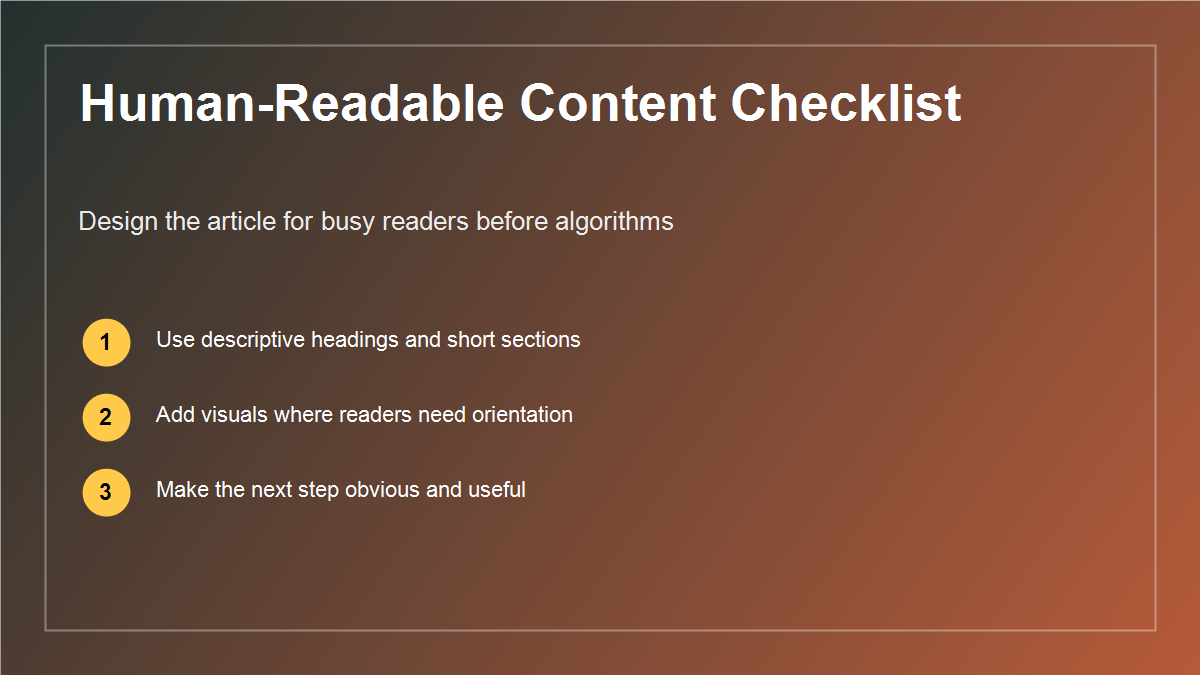
搜尋可見性固然重要,但可讀性才是留住讀者的關鍵。一篇易讀的文章應該具備清晰的主題、簡潔明了的標題、簡短的段落以及流暢的視覺節奏,幫助讀者輕鬆瀏覽。
使用能夠準確概括章節內容的標題。避免使用「概述」這類模糊的標題,而像「為什麼舊的發布工作流程現在顯得力不從心」這樣的標題則能為讀者提供更多背景資訊。段落應始終圍繞著一個核心觀點展開。當讀者需要比較步驟或選項時,可以將冗長的解釋拆分成清單。
圖片也應該發揮實際作用。特色圖片可以引出主題,而文章中的圖片可以解釋工作流程、總結清單或展示最終成果範例。如果圖片不能幫助讀者理解或記住要點,那麼它可能就不需要存在。
Build for search, AI discovery, and direct sharing
2026年,資訊發現將透過傳統搜尋引擎、人工智慧問答引擎、社群平台、新聞簡報和私人社群等管道進行。發布工作流程應支援所有這些管道。
為了便於搜索,請使用簡潔明了的標題、描述性的副標題、內部連結、替代文字和有用的元描述。為了便於人工智慧發現,請確保文章內容真實可靠、結構清晰,並且易於引用或概括。為了方便直接分享,請確保文章格式美觀,無論用戶是透過電子郵件、聊天或嵌入式連結打開,都能獲得良好的閱讀體驗。
這時,數位出版平台就能起到輔助文章的作用,而不是與之競爭。部落格文章可以闡述策略,而翻頁書版本則可以以更具沉浸感的方式呈現最終的指南、目錄或報告。
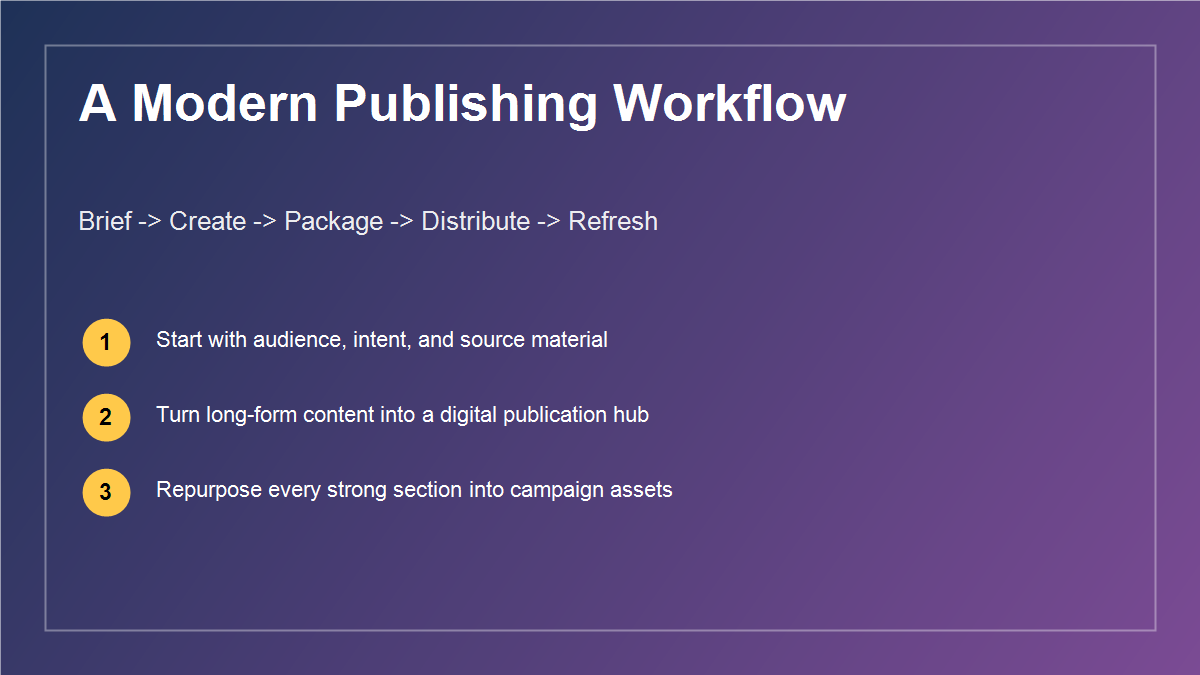
Use a simple 2026 publishing workflow
- 明確目標。 明確受眾、搜尋意圖、讀者問題和業務目標。
- 創建核心資產。 撰寫文章、指南、報告或 PDF 文件時,請保持結構清晰。
- 設計閱讀體驗。 新增圖片、範例、摘要和視覺分隔符號。
- 打包內容物。 當出版格式能夠提高參與度時,將輔助 PDF 或長篇資料轉換為數位翻頁書。
- 有目的地發放。 透過電子郵件、社群媒體、嵌入式內容、合作夥伴管道和內部團隊分享內容。
- 測量並更新。 追蹤流量、互動、轉換率和內容衰減。當主題改變時,更新文章。
The takeaway
2026年的內容發布旨在讓有用的想法傳播得更遠。部落格文章仍然可以作為基礎,但最有效的團隊會將其視為更大型發布系統的一部分。他們以人為本寫作,精心建構結構以方便發現,注重易讀性,並將內容重新製作成人們樂於開啟和分享的格式。
如果您的團隊已經製作過 PDF、報告、宣傳冊、雜誌、產品目錄或培訓材料,那麼將它們轉換為互動式數位出版物可以讓您的內容更生動,也更容易分發。每次點擊「發布」按鈕後,發布流程都會更有效率。