
Why Cost Comparison Matters More Than Ever
Every business that produces catalogs faces the same crossroads: invest in printed materials or go digital. With paper costs fluctuating and consumer attention fragmented across screens, the financial difference between these two approaches is no longer minor. Making the wrong choice can mean wasted budget, missed leads, or outdated inventory sitting in a warehouse.
In this guide, we break down the real costs—both upfront and hidden—of digital catalogs versus printed catalogs. Whether you are a small retailer launching your first product line or a B2B wholesaler refreshing your catalog annually, this analysis will help you allocate your marketing budget with confidence.
Understanding the True Cost of a Printed Catalog
Printed catalogs come with a long list of expenses that many businesses underestimate until the bill arrives.
1. Design and Prepress Costs
Before a single sheet of paper runs through a press, your catalog needs to be designed. Professional catalog design typically costs between $2,000 and $10,000 depending on page count, image requirements, and design firm. Prepress work—color correction, print-ready file preparation—adds another $300 to $1,500. If you are hiring a photographer for product shots, budget an additional $500 to $5,000 per day.
2. Printing and Paper Costs
Paper prices have been volatile. As of early 2026, coated text paper averages $0.80 to $1.50 per pound. A 48-page catalog printed on 100# coated stock in quantities of 5,000 copies typically runs $3.50 to $6.00 per unit. Double that for premium paper stocks or larger quantities.
3. Distribution and Shipping
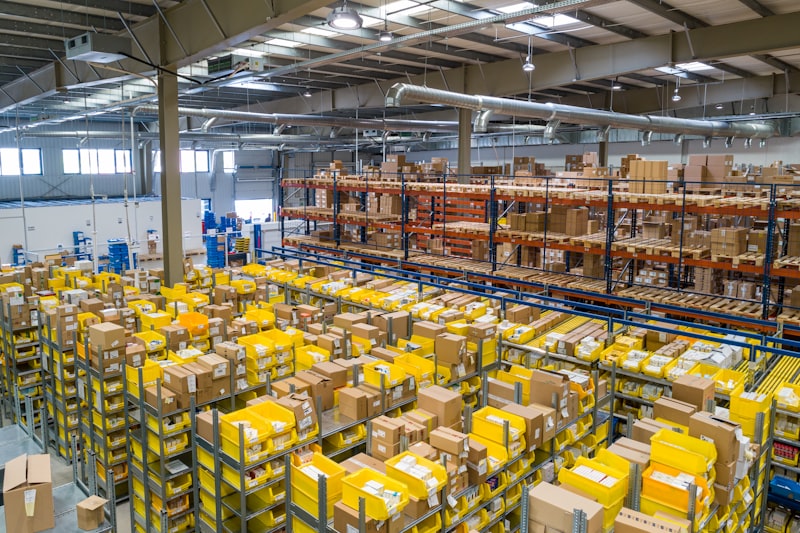
Shipping catalogs to even a modest mailing list is a logistical expense. Bulk mail postage for a 48-page catalog (standard #10 envelope) costs approximately $0.35 to $0.55 per piece in the US. For a mailing list of 10,000, you are looking at $3,500 to $5,500 just for postage—not including fulfillment labor.
4. Storage and Inventory Risk
Printed catalogs are inventory. If you update your product line, change pricing, or correct an error, those printed units are waste. Many businesses end up printing 20–30% more than they need to avoid stockouts, leading to excess inventory that ties up capital and eventually gets recycled.
The Real Cost of a Digital Catalog
Digital catalogs eliminate most of the expenses above, but they come with their own cost structure that deserves honest scrutiny.
1. Design Costs Are Similar—But Not Identical
Initial design costs for a digital catalog are comparable to print because you are still creating the same product images, layouts, and copy. However, digital catalogs can be built on templates, dramatically reducing design time for subsequent editions. A tool like FlipHTML5 offers predesigned catalog templates that your team can customize in hours rather than weeks.
2. Hosting and Platform Fees
Most digital catalog platforms charge either a monthly subscription ($19–$99/month) or a one-time license fee. Compared to printing 5,000 catalogs at $5.00 each ($25,000), even a premium annual subscription of $999/year represents a dramatic savings.
3. Distribution Is Essentially Free
Sharing a digital catalog costs nothing more than sending a link via email, SMS, WhatsApp, or social media. You can embed it on your website, share it in QR codes on physical materials, or distribute it through sales teams via chat apps. The marginal cost of reaching one additional customer is zero.
4. Updates Are Instant and Free
Change a price? Update a product image? Fix a typo? With a digital catalog, those changes take minutes and cost nothing. Your entire distribution network automatically sees the updated version. There is no need to reprint, repackage, or reship.
Side-by-Side Cost Comparison
Here is a practical comparison for a business producing a 40-page catalog for a list of 10,000 contacts:

| Cost Category | Printed Catalog | Digital Catalog |
|---|---|---|
| Design & Prepress | $2,500–$8,000 | $1,000–$4,000 |
| Printing / Platform | $17,500–$30,000 | $0–$999/year |
| Paper Stock | $3,000–$7,500 | $0 |
| Postage / Distribution | $3,500–$5,500 | $0 |
| Fulfillment Labor | $500–$1,500 | $0 |
| Storage / Overruns | $500–$2,000 | $0 |
| Annual Total (Year 1) | $27,500–$54,500 | $1,000–$5,000 |
Even in Year 1—where digital catalog costs are at their highest due to initial design work—the savings are substantial. From Year 2 onward, when template-based updates replace full redesigns, the cost gap widens even further.
Hidden Costs Both Approaches Overlook
Beyond the obvious line items, both formats carry less-visible expenses that impact your ROI.
Environmental and Regulatory Costs (Printed)
Printing consumes paper, water, energy, and ink. For businesses with sustainability commitments or ESG reporting requirements, the environmental footprint of printed catalogs is increasingly scrutinized.
Digital Fatigue and Engagement Costs (Digital)
A digital catalog that looks like a static PDF sitting in an email attachment will underperform. Interactive features—zoom, embedded video, hot spots, direct add-to-cart links—require investment to build engagement. A feature-rich flipbook platform solves this.
When Printed Catalogs Still Make Sense
Despite the cost advantages of digital, printed catalogs remain the right choice in specific scenarios:
- Trade shows and in-person events — A beautifully printed catalog still makes a tangible impression at trade show booths.
- High-end luxury brands — Premium paper stocks and special finishes communicate brand value that a screen cannot replicate.
- Markets with limited internet access — If your customers operate in regions with unreliable connectivity, a printed catalog ensures your products are always visible.
- Regulatory or archival requirements — Some industries require physical documentation.
When Digital Catalogs Win Every Time
For most modern businesses, digital catalogs are the more cost-effective choice—particularly for:
- Frequent product updates — If your catalog changes quarterly or more, digital updates are dramatically cheaper than reprints.
- Large and growing distribution lists — Digital distribution scales infinitely at zero marginal cost.
- Data-driven optimization — Digital catalogs can track which products customers engage with most, enabling data-informed catalog design improvements.
- Speed to market — Launching a digital catalog in under 24 hours is possible with the right platform.
- Omnichannel strategy — Digital catalogs integrate seamlessly with email campaigns, social media, QR codes, and live chat.
How to Create a Digital Catalog That Actually Converts
Switching to digital only pays off if your digital catalog is designed to engage. Here are the key principles:
Design for Screen First
A common mistake is repurposing print catalog layouts directly for digital. Instead, design for the way people consume digital content—larger type, bolder images, scannable bullet points, and clear visual hierarchy. Tools like FlipHTML5 make it easy to start with templates designed specifically for digital catalogs.
Add Interactive Elements
Link to your product pages, embed explainer videos, and include clickable call-to-action buttons. Interactive catalogs generate higher engagement than static PDFs.
Optimize for Every Device
Your customers will view your digital catalog on desktops, tablets, and smartphones. Responsive flipbook platforms ensure your catalog looks polished on every screen size.
Track and Iterate
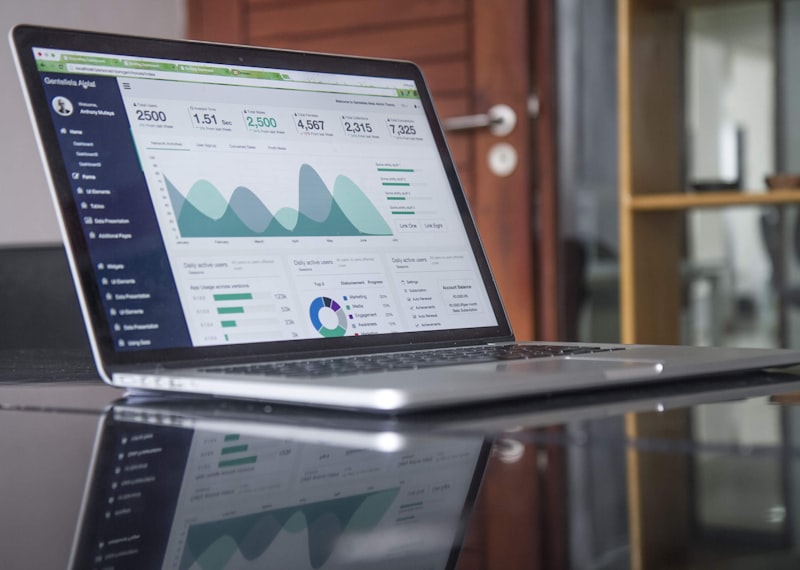
Use built-in analytics to understand which pages get the most views, where customers drop off, and which products generate the most clicks.

The Bottom Line
For the majority of businesses—especially those with distribution lists over 1,000, frequent product updates, or an online sales presence—digital catalogs deliver far more value per dollar spent. The initial investment in redesigning your catalog creation workflow pays for itself within the first edition when compared to print costs.
That said, printed catalogs remain a legitimate tool in specific contexts. The key is to evaluate each catalog project on its own merits: Who is the audience? How often does it change? What is the distribution method? The answers will point you toward the right format.
If you are ready to make the switch, start with a single product category or campaign. Build your digital catalog workflow, measure engagement, and scale from there. Your CFO will notice the difference in your marketing budget—and your sales team will appreciate having something visually impressive to send to every prospect with a single link.
Ready to create your first digital catalog? Explore FlipHTML5 catalog maker and have a shareable flipbook ready in under an hour.